
Over the summer, several important EU policy developments took place. We look at three of them through the lens of deinstitutionalisation and community-based support – and highlight what EEG members are saying.

A renewed commitment to the European Pillar of Social Rights
On 22 July, the European Commission published a new Communication on the European Pillar of Social Rights, taking stock of progress since the 2021 Action Plan and setting priorities for further action.
The Commission identifies affordability, inequalities and the changing world of work among the areas requiring further action. It also plans to develop new indicators on affordability and poverty. The Pillar remains the broader framework connecting EU action on social protection and inclusion, including disability, children, housing and access to essential services.
What does this mean for deinstitutionalisation?
The renewed commitment to the Social Pillar provides an important framework for addressing many of the conditions that make living independently in the community possible.
Deinstitutionalisation does not happen through social services policy alone. Poverty, access to adequate housing, support for children and families, disability inclusion and access to services all influence whether people have a genuine possibility to live and participate in their communities.
At the same time, progress in these areas needs to be visible and measurable. This makes the Commission’s intention to further develop indicators on poverty and affordability particularly relevant to the wider discussion on how social policy outcomes are monitored.
EEG member Eurochild welcomed the renewed commitment to the Pillar, while stressing that its success should not be measured through employment alone. Eurochild points to the slow progress on poverty reduction and calls for stronger targets, accountability and adequate funding, with children at the heart of implementation.
Read more: Eurochild – Beyond Employment: Making the European Pillar for Social Rights Deliver for Children
Affordable housing – but accessible to whom?
On 9 September, the European Commission proposed the Affordable Housing Act, accompanied by a Recommendation aimed at helping national, regional and local authorities address housing affordability and availability, particularly in areas experiencing housing pressure.
What does this mean for deinstitutionalisation?
Access to housing is a fundamental condition for deinstitutionalisation. People cannot exercise their right to live independently in the community if suitable housing is unavailable, inaccessible or unaffordable.
This is why affordability cannot be considered in isolation from accessibility, individual needs and access to community-based support.
Several EEG members have already highlighted important gaps in the Commission proposal.
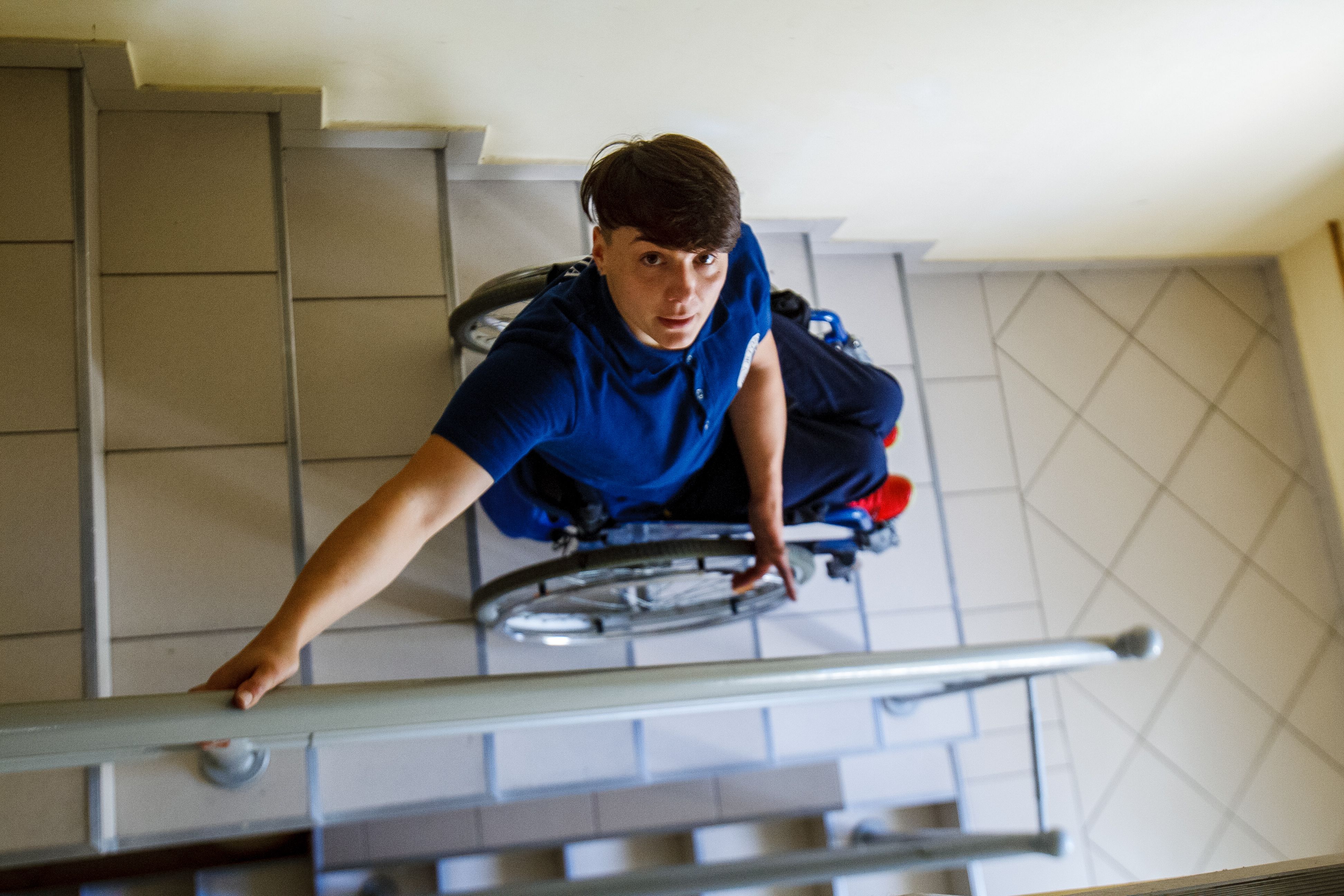
European Disability Forum (EDF) points out that the proposal does not mention persons with disabilities, accessibility or the UN Convention on the Rights of Persons with Disabilities. EDF argues that accessibility requirements need to be integrated into housing policy and draws a direct connection between the lack of accessible housing and barriers to independent living.
Inclusion Europe highlights another dimension: in many European countries, few adults with intellectual disabilities live in a place of their own, while reliance on family support can ultimately increase the risk of institutionalisation when families can no longer provide that support.
FEANTSA has raised concerns from the perspective of homelessness and housing exclusion. In particular, FEANTSA warns that the proposed framework could make intervention more difficult for public authorities by setting a high threshold for action and imposing extensive evidential requirements.
Read more:
EDF – Affordable but inaccessible: Commission’s Affordable Housing Act ignores disability
FEANTSA – Reaction to the Affordable Housing Act proposal
Inclusion Europe – 4 news from the EU, and what they mean for people with intellectual disabilities and their families
Public procurement: technical rules with real consequences for support services
Also on 9 September, the European Commission proposed a new Public Procurement Act. The proposed Regulation would replace the current three EU public procurement directives with a single rulebook and aims to make procurement simpler while strengthening strategic considerations, including social objectives.
Public procurement may sound like a technical issue, but it has direct implications for social and support services. Public authorities use procurement to commission many of the services that people rely on in their daily lives.
What does this mean for deinstitutionalisation?
For the EEG, an important question is not only how much public money is spent, but what kind of services and support it purchases.
Procurement frameworks can help prioritise quality, accessibility, participation and individual choice. They therefore have the potential to support the development of rights-based community services – provided these principles remain strong throughout the legislative process and are translated into practice.
EEG members are already examining the proposal from different perspectives.
European Disability Forum (EDF) has highlighted improvements related to accessibility and social inclusion and the potential for the new rules to strengthen disability rights.
EASPD stresses the particular importance of the legislation for disability services, many of which are delivered through public contracts. As negotiations now move to the European Parliament and Council, EASPD is looking at what the proposed rules could mean for the way disability services are commissioned in the years ahead.
Inclusion Europe has also drawn attention to the provisions on reserved contracts and sheltered workshops, including the new reference to safeguarding the labour rights of persons with disabilities.
Read more:
EDF – Proposed Public Procurement rules give potential boost to disability rights
EASPD – A new EU rulebook for public procurement: What does it mean for disability services?
Inclusion Europe – 4 news from the EU, and what they mean for people with intellectual disabilities and their families
Connecting the dots
The European Pillar of Social Rights, housing policy and public procurement may appear to be separate areas of EU policy. From a deinstitutionalisation perspective, however, they are closely connected.
Living independently in the community requires more than closing institutions. It requires accessible and affordable housing, adequate income, quality community-based services, individualised support and public investment that promotes inclusion rather than segregation.
The developments of the past months create new opportunities to strengthen these connections. They also show why deinstitutionalisation needs to be understood as a cross-cutting objective across EU social policy, legislation and implementation, rather than as an issue confined to one policy area.
The EEG will continue following these developments together with its members and advocating for EU policies that enable people to live independently, exercise choice and participate fully in their communities.